

What Are the Most Natural Colored Contacts?
What Are the Most Natural Colored Contacts?
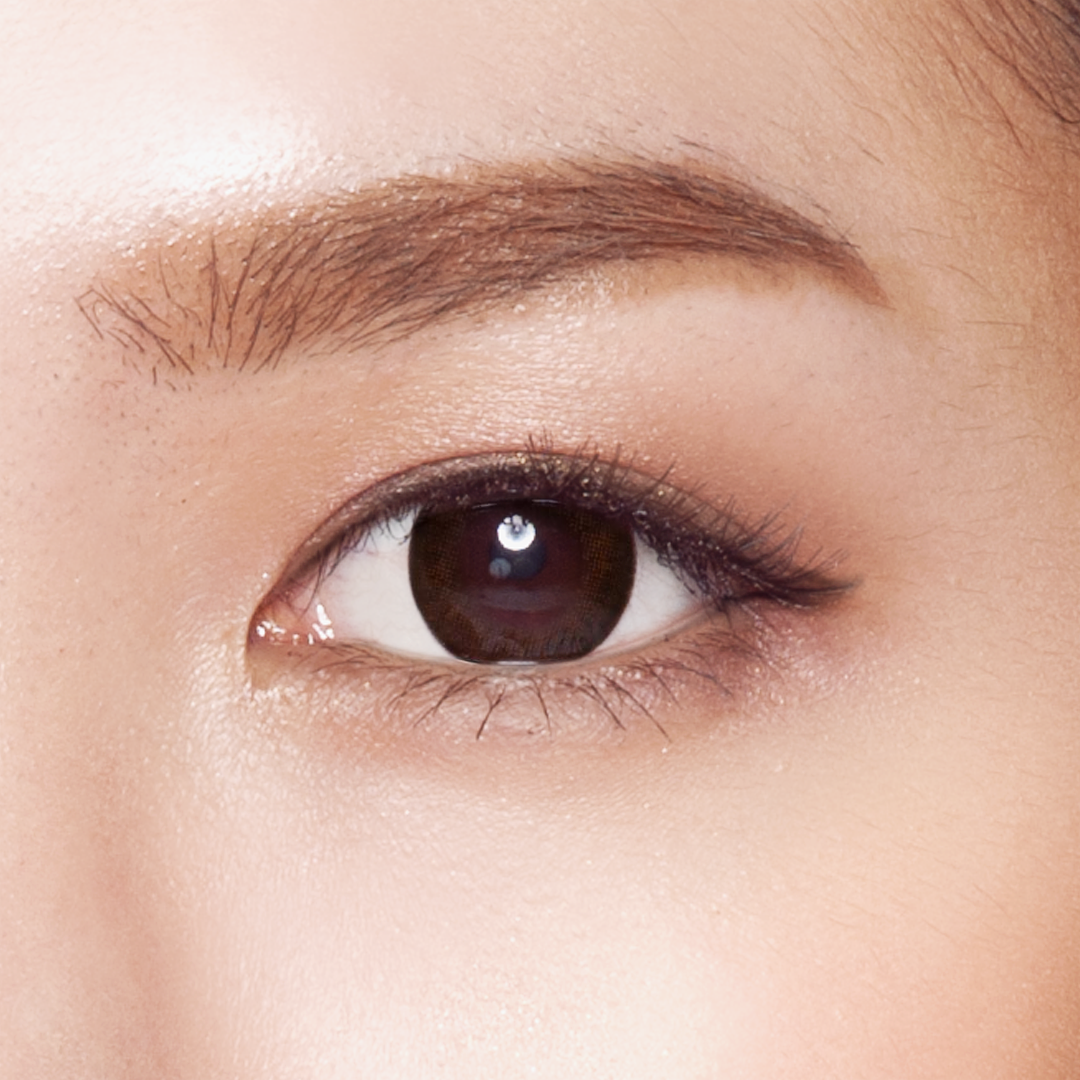
Many people love the idea of colored contact lenses but worry about one thing: Will they look natural?
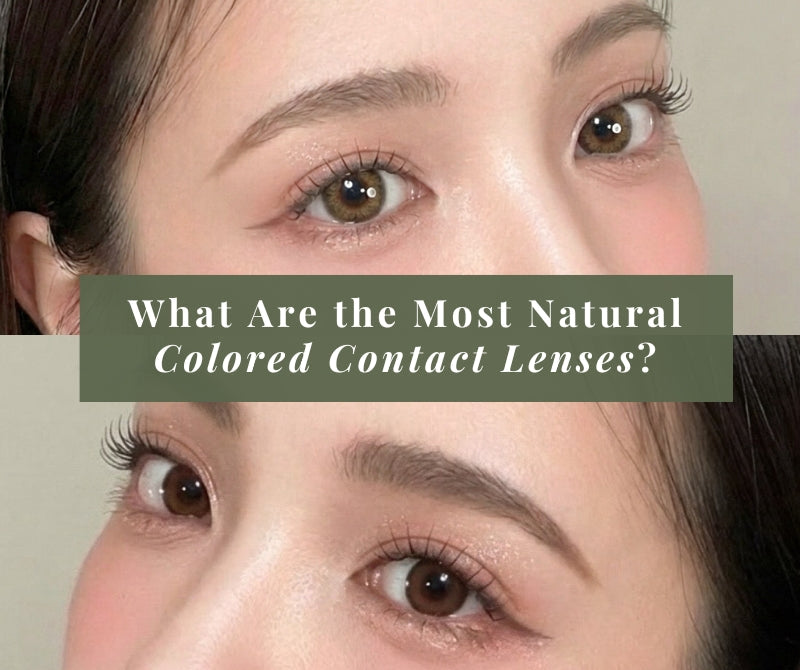
The truth is, modern colored lenses can look incredibly realistic when you choose the right design, color, and size. Instead of dramatically changing your eye color, the most natural colored contact lenses simply enhance what you already have.
If you’re looking for a subtle “my eyes but better” effect, this guide explains what makes colored contacts look natural and how to choose the right pair.
How to Choose Colored Contact Lenses That Look Natural

Not all colored lenses are designed the same way. The most natural-looking lenses usually share a few important features.
1. Soft, Layered Pigment Design
The most natural colored contact lenses usually feature realistic iris patterns that mimic the natural depth and detail of the human eye. Instead of looking flat or overly printed with harsh patterns, they use layered tones, subtle blending, and often little to no visible limbal ring for a natural finish.
Good designs often include:
-
Soft color gradients
-
Multiple tones often 2-tone or 3-tone instead of one flat shade
-
Realistic iris-inspired patterns
-
Minimal or softly blended limbal rings
-
Subtle blending toward the center
These details help the lens blend more naturally with your real eye color instead of sitting obviously on top of it.
2. Shades That Complement Your Natural Eye Color
Certain colors tend to look more natural than others.
The most natural colored contact lenses are usually:
-
Brown colored contact lenses – subtle enhancement for everyday wear
-
Hazel or olive lenses – soft color change with natural warmth
-
Gray lenses – gentle contrast without looking overly bright
These shades enhance your eyes rather than overpower them.
If you have darker eyes, you may want lenses designed specifically for colored contacts for dark eyes, which provide better pigment coverage while still looking natural.
3. A Realistic Graphic Diameter

Lens size also affects how natural the result looks.
The graphic diameter (the colored part of the lens) determines how large your eyes appear.
General guidelines:
-
11.0–12.4 mm → ultra-natural, real-eye effect
-
12.5–13.4 mm → natural enlargement
-
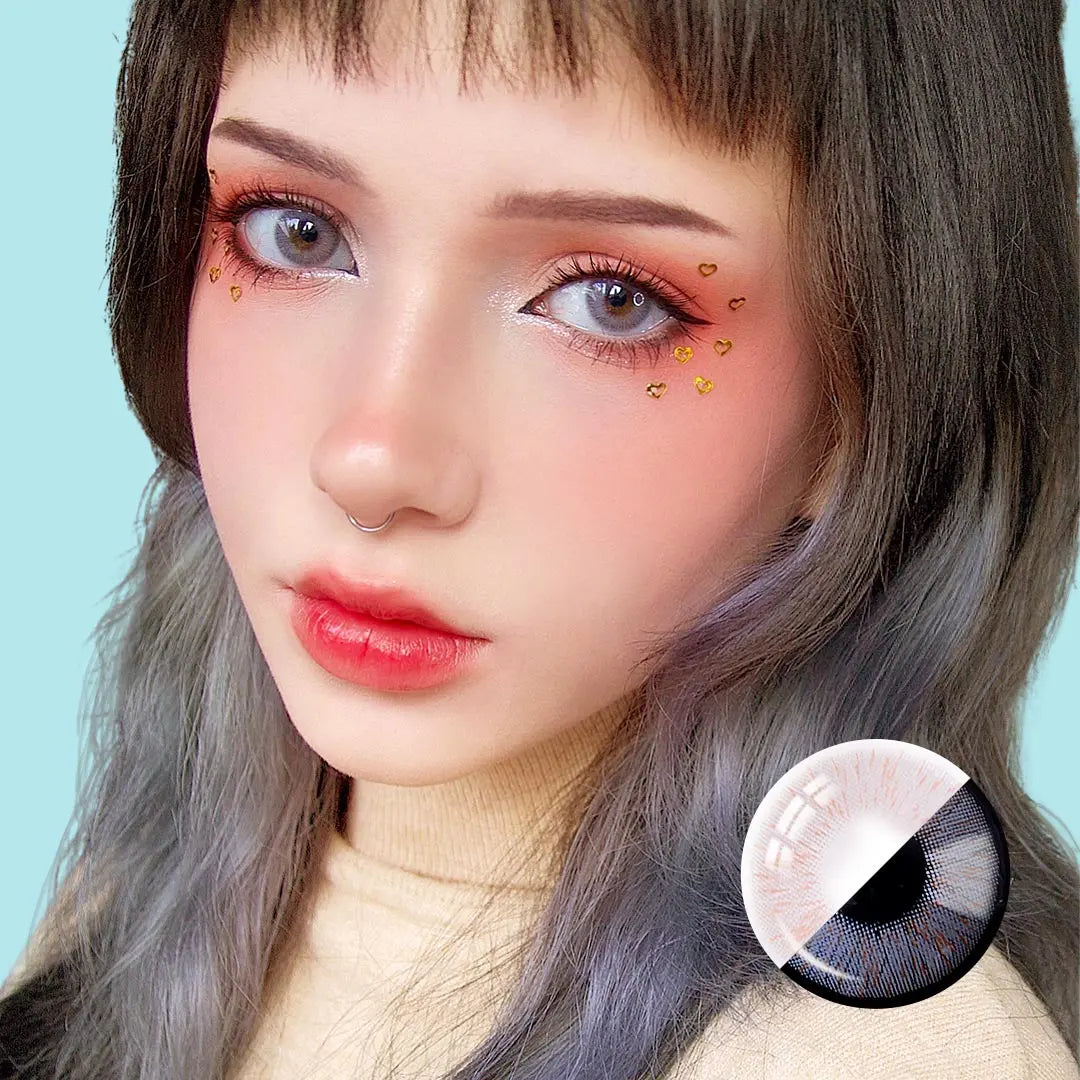
13.5 mm and above → more dramatic, this range creates “dolly-eye” or "Anime" effect
If your goal is a realistic everyday look, lenses with a moderate graphic diameter usually appear more natural.
4. Balanced Opacity
Opacity controls how strongly the color appears on your eyes.
-
Semi-opaque lenses
Allow some of your natural eye color to show through, creating a softer effect. -
Opaque lenses
Provide stronger color coverage, especially useful for darker eyes.
The most natural lenses typically balance opacity with soft blending so the color looks visible but not artificial.
If you’re still figuring out what works, you can browse our full range of colored contacts and see which ones actually feel like you.
Best Natural Lens Colors for Everyday Wear

The most natural colored contact lenses are usually found in everyday shades like brown, hazel, olive, and soft gray. Many people prefer natural colored contact lenses designed for subtle enhancement and daily wear.
Here are some of the most popular natural-looking shades.

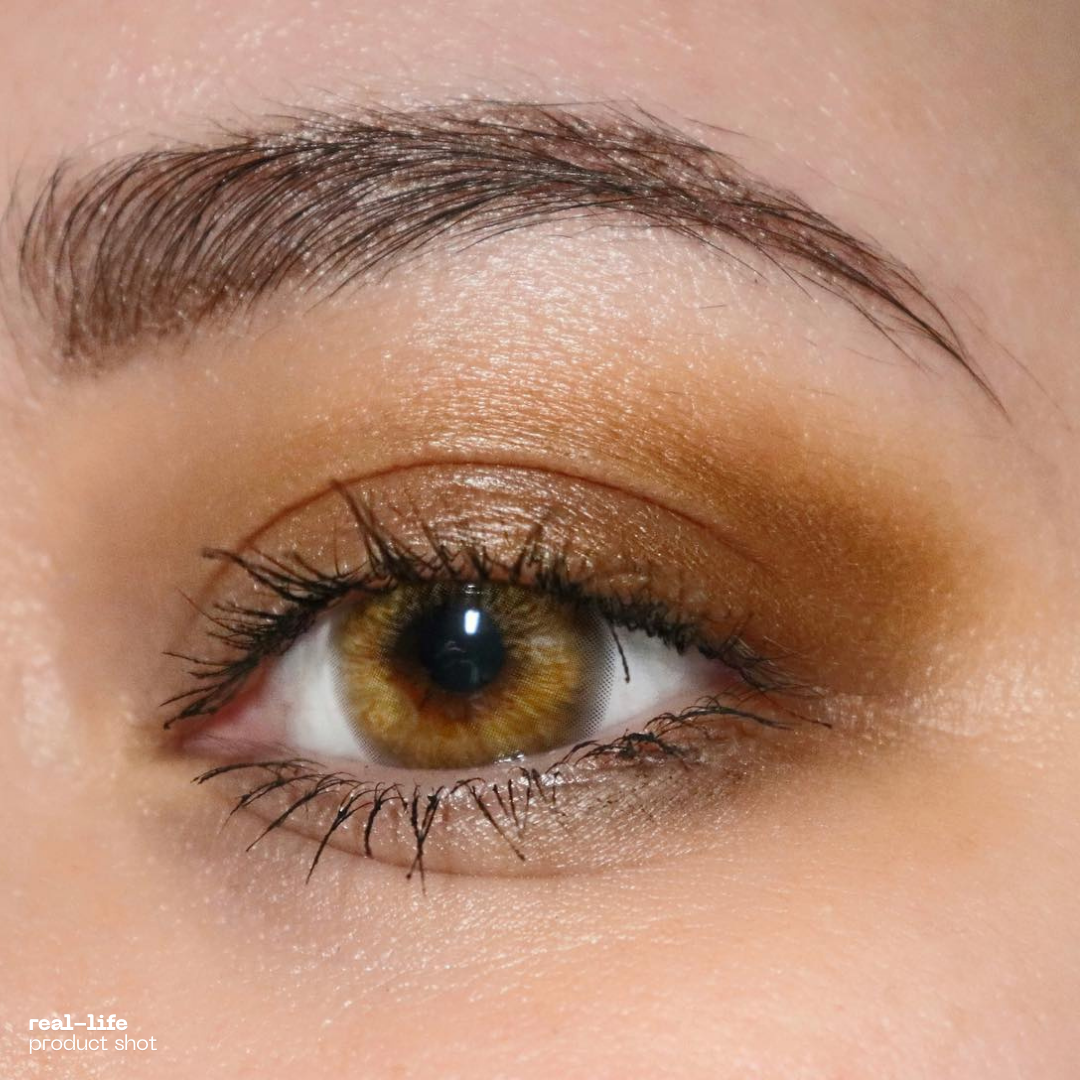
Natural Brown Lenses
Brown lenses are often the safest choice if you want a subtle enhancement.
They:
-
Add warmth and depth
-
Brighten your eyes slightly
-
Work well for work or daily wear
Many people start with brown lenses because they create a realistic “my eyes but better” effect.
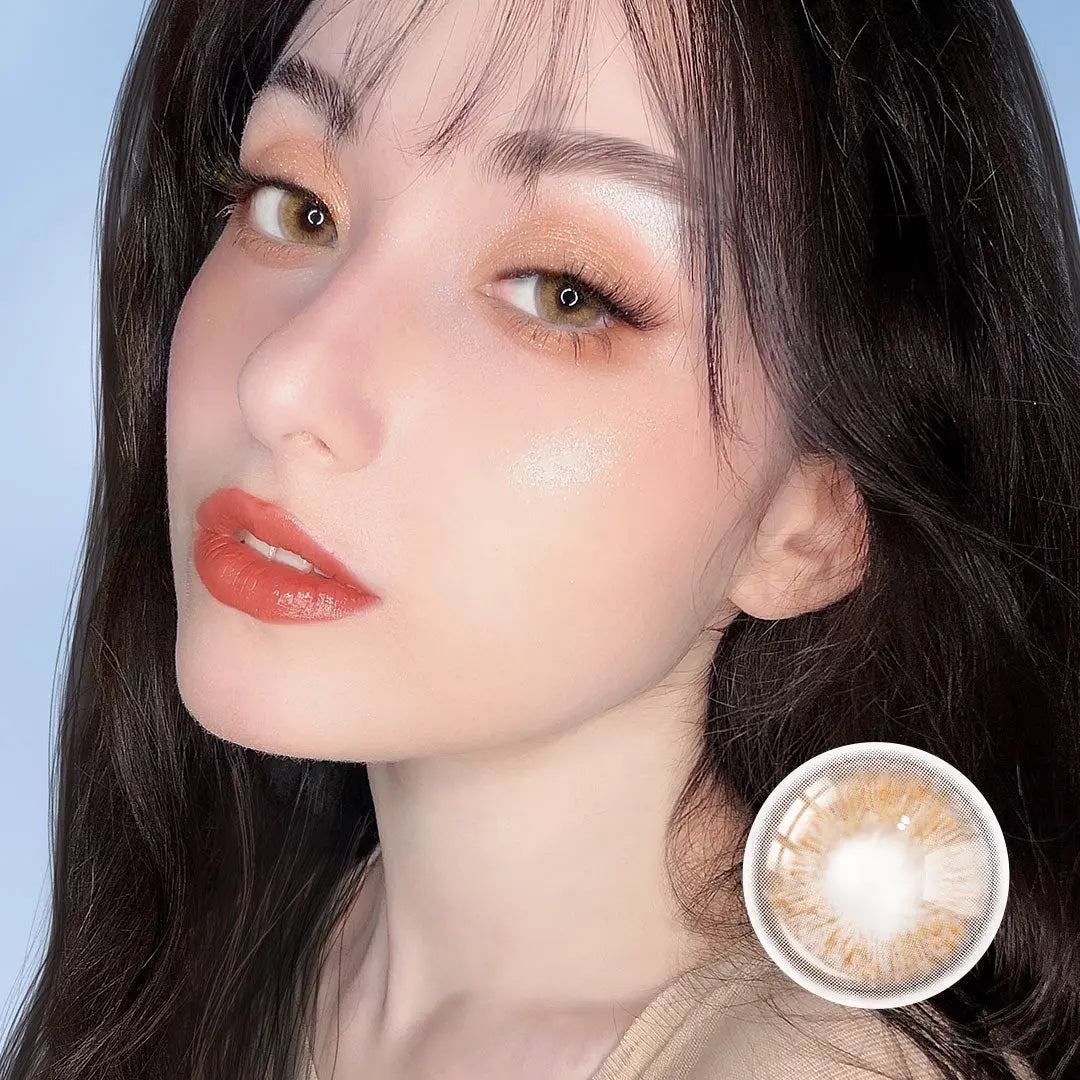
Hazel & Olive Lenses
Hazel and olive shades create a gentle color shift that still feels natural.
They work well because they:
-
Blend warm and cool tones
-
Adapt beautifully to lighting
-
Complement many skin tones
Soft hazel lenses can give brown eyes a lighter, glowing appearance without looking unnatural.
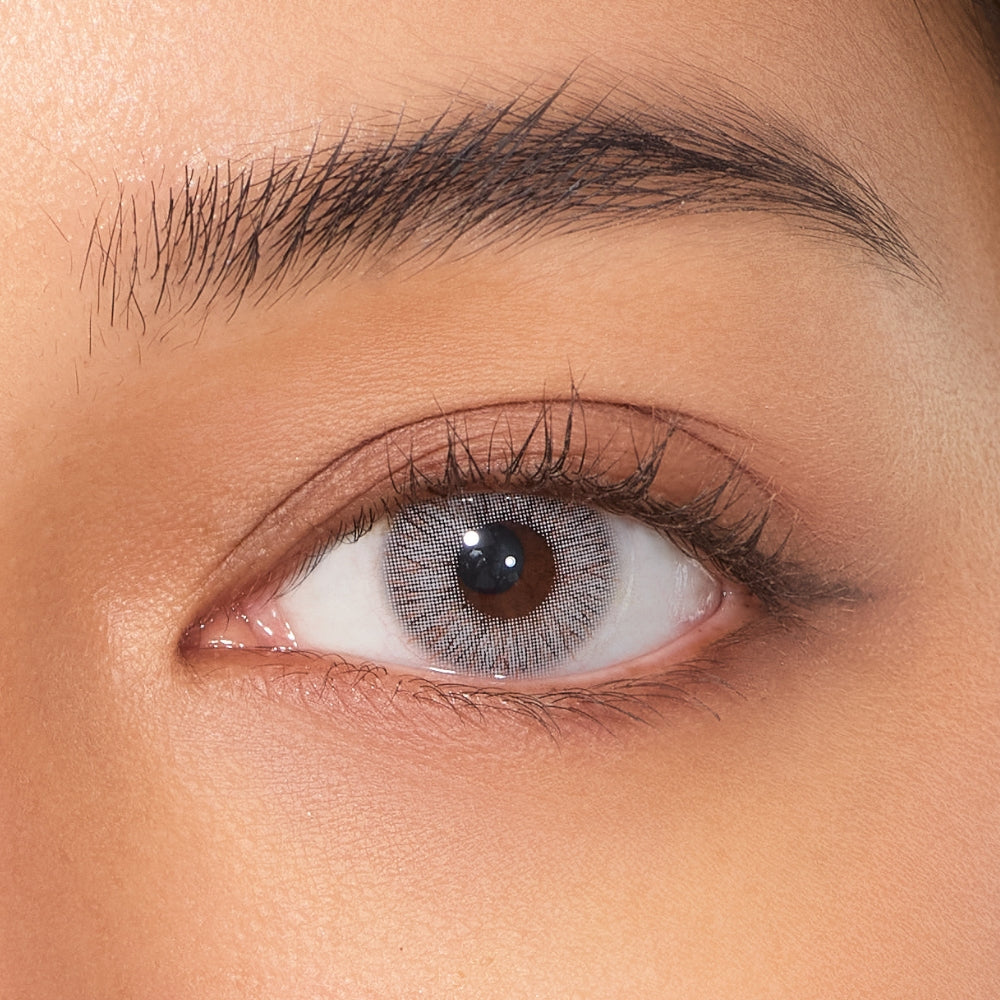
Soft Gray Lenses
Gray lenses provide a subtle contrast that can look modern and elegant.
For a natural result:
-
Choose gray lenses with a darker outer ring
-
Avoid very pale or flat gray shades
When designed properly, gray lenses can enhance brown eyes while still looking believable in real life.
Do Natural Lenses Look Different on Dark Eyes?
Yes, your natural eye color plays an important role.
Brown eyes naturally contain more pigment, which means lighter or semi-transparent lenses may blend more subtly with the iris.
That’s why lenses designed for dark eyes often use stronger pigment layering to ensure the color appears visible while still looking realistic.
The goal isn’t to completely hide your natural eye color, it’s to enhance it naturally.
Comfort Matters for a Natural Look
Even the most beautiful lenses won’t look natural if they feel uncomfortable.
Lens material plays an important role in everyday comfort. Many people prefer silicone hydrogel colored contact lenses because they allow more oxygen to reach the eyes.
This can help with:
-
Longer wear time
-
Reduced dryness
-
Better overall comfort
When your eyes feel comfortable, your lenses are more likely to look natural throughout the day.
Common Mistakes That Make Colored Contacts Look Fake
If colored contacts look unnatural, it’s usually due to design choices rather than the lenses themselves.
Common mistakes include:
-
Choosing colors that are too light for dark eyes
-
Selecting lenses with flat or unrealistic pigment patterns
-
Picking lenses that are too large for everyday wear
-
Ignoring how the shade interacts with makeup or skin tone
Choosing lenses designed for realism makes a big difference.
Final Thoughts
The most natural colored contact lenses don’t transform your eyes, they refine and enhance them.
Rather than standing out, the best designs blend seamlessly with your natural eye color, creating depth and dimension while remaining natural for everyday wear.
Choosing the right lens is about finding a style that complements your overall look including your makeup, outfit, and hair color.
When done right, the result feels effortless and naturally beautiful in any setting.
Leave a comment
All comments are moderated before being published.
This site is protected by hCaptcha and the hCaptcha Privacy Policy and Terms of Service apply.