

Colored Contacts for Sensitive Eyes: How to Choose Comfortable Lenses
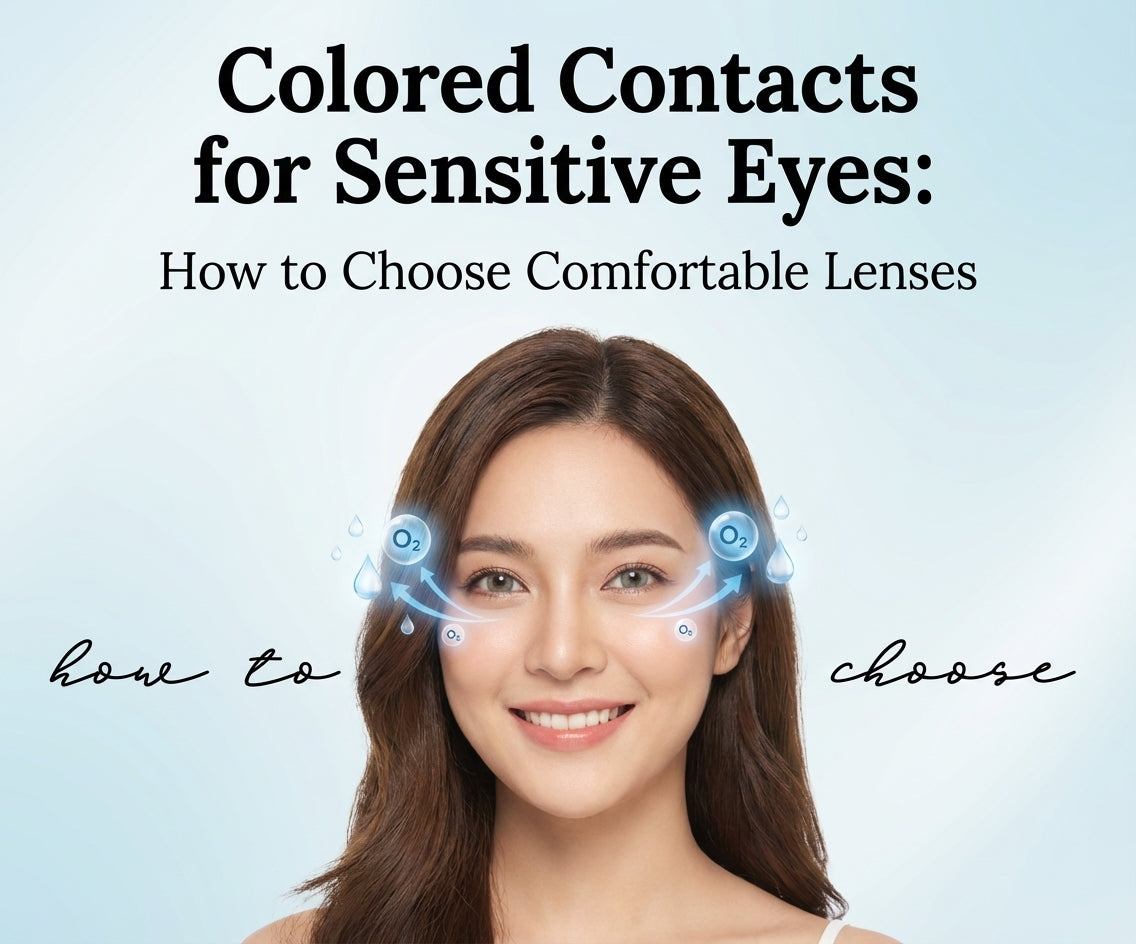
Colored Contacts for Sensitive Eyes: How to Choose Comfortable Lenses
If you have sensitive eyes, wearing colored contact lenses can feel intimidating.
Dryness, irritation, redness, or discomfort after a few hours are common concerns, especially if you spend long hours on screens or in air-conditioned environments.
The good news?
Having sensitive eyes doesn’t mean you can’t enjoy colored contacts. It just means choosing the right lenses and wearing them the right way.
This guide breaks down what actually matters when choosing colored contacts for sensitive eyes, so you can wear them comfortably and confidently.
What Does “Sensitive Eyes” Really Mean?
Sensitive eyes don’t all feel the same. For some people, it means dryness by the end of the day. For others, it’s redness, irritation, or discomfort after only a few hours.
Common reasons eyes feel sensitive include:
-
Reduced oxygen reaching the eyes
-
Long screen time and reduced blinking
-
Dry indoor air
-
Wearing lenses for extended hours
-
Using lenses that don’t suit your eyes
Sensitivity isn’t about weakness, it’s about how your eyes respond to lenses and environment.
Best Lens Materials for Sensitive Eyes
Material plays a huge role in comfort.
Why Silicone Hydrogel Is Often Better
Silicone hydrogel lenses allow significantly more oxygen to reach the eyes compared to traditional hydrogel lenses. This helps keep eyes feeling fresher, especially during long wear.
They’re often a better choice if you:
-
Wear lenses for many hours
-
Experience dryness by evening
-
Work or study in air-conditioned spaces
-
Spend long time on screens
Better oxygen flow helps reduce that tired, dry feeling at the end of the day. Many people with sensitive eyes find that silicone hydrogel colored contact lenses feel more breathable and comfortable for long hours.
Daily vs Monthly Lenses: Which Is Better for Sensitive Eyes?
Both can work, it depends on your lifestyle.
Daily lenses
-
Fresh pair every day
-
Lower risk of buildup or irritation
-
Great for very sensitive eyes or occasional wear
Monthly lenses
-
Comfortable if cared for properly
-
More cost-effective for frequent wear
-
Best when paired with good hygiene
If your eyes are easily irritated, starting with daily colored contact lenses can help reduce buildup and discomfort.
Lens Design Matters More Than Color
Many people focus only on color, but how a lens is designed affects comfort just as much.
Comfort-friendly lenses usually have:
-
Smooth, thin edges
-
Balanced pigment layering
-
Stable fit that doesn’t shift easily
-
Even color distribution (not harsh or flat)
Well-designed colored lenses shouldn’t feel heavy or noticeable on the eyes.
Tips for Wearing Colored Contacts Comfortably
If you have sensitive eyes, small habits make a big difference.
-
Start with shorter wear times and build up gradually
-
Avoid wearing lenses for too many hours at once
-
Take breaks from screens when possible
-
Blink consciously during long screen sessions
-
Never sleep in colored contacts unless specifically approved
-
Use rewetting drops if your eyes feel dry
Listening to your eyes is key, discomfort is a signal, not something to push through.
Common Mistakes People with Sensitive Eyes Make
-
Choosing lenses based on color only
-
Wearing lenses longer than recommended
-
Ignoring material and oxygen flow
-
Skipping proper cleaning and storage
-
Reusing solution or wearing lenses past their replacement cycle
Comfort issues are often caused by how lenses are chosen or worn, not the lenses themselves.
Final Advice for Sensitive Eyes
If your eyes are sensitive, comfort should always come first. Choosing the right lenses can make a noticeable difference in how your eyes feel throughout the day.
Start with:
-
Breathable materials
-
Well-designed lenses with smooth edges
-
Shorter wear times, especially when trying new lenses
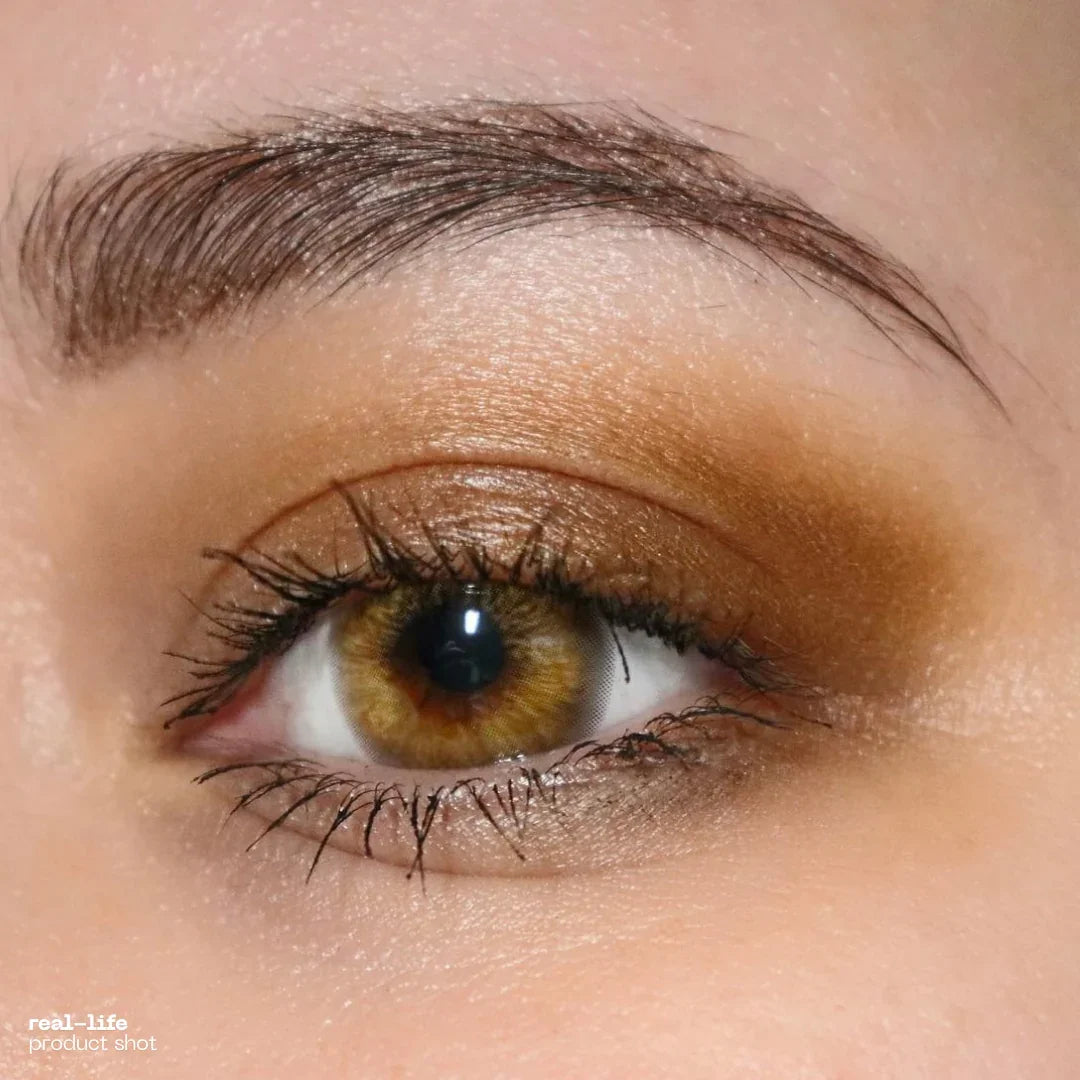
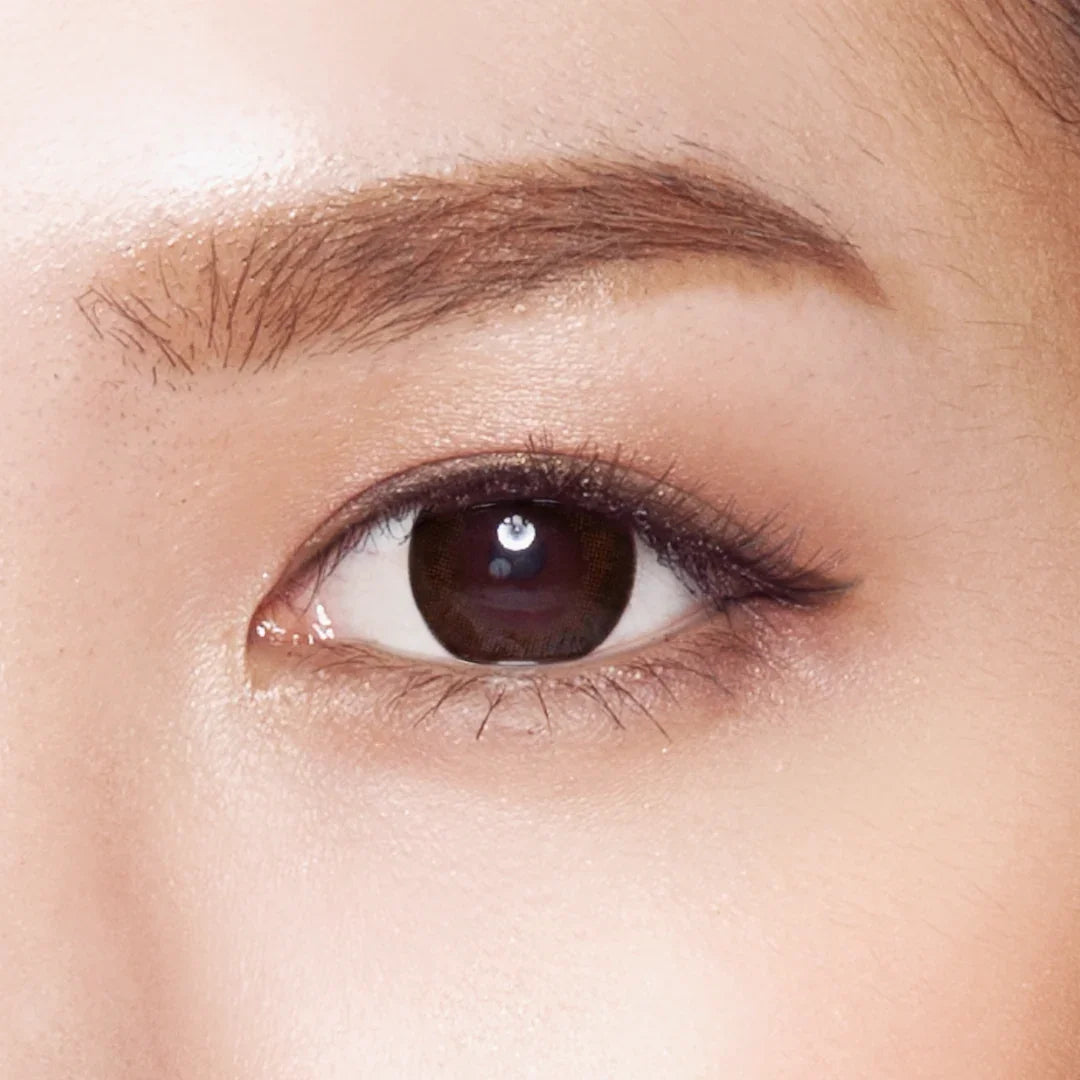
Once you find a pair that feels good, you can explore different colors and styles with more confidence. Many people with sensitive eyes prefer softer, natural shades (often less pigmented) like brown colored contact lenses, especially for everyday wear, as they tend to look gentle and comfortable on the eyes.
Sensitive eyes don’t mean you have fewer options, they simply benefit from a more thoughtful, comfort-focused approach.

Leave a comment
All comments are moderated before being published.
This site is protected by hCaptcha and the hCaptcha Privacy Policy and Terms of Service apply.