

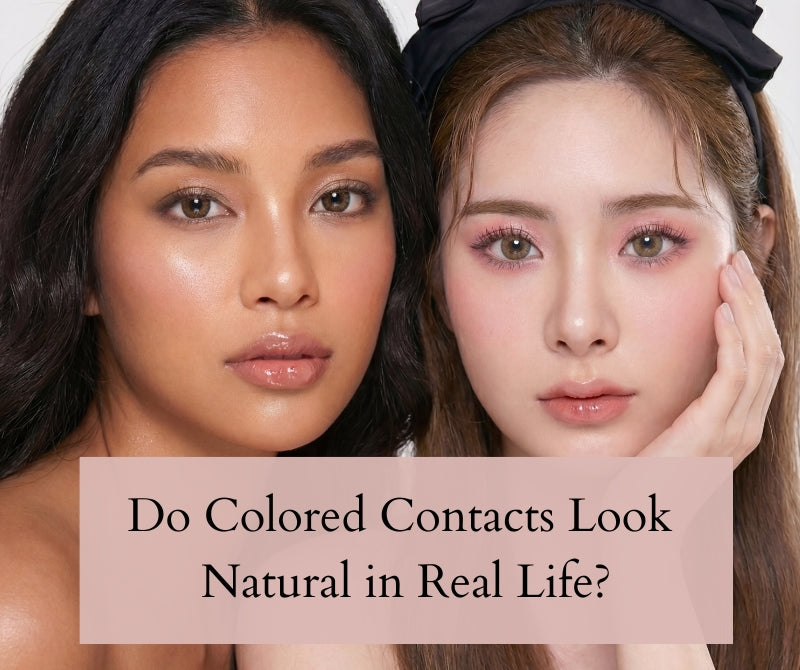
Do Colored Contacts Look Natural in Real Life?
Do Colored Contacts Look Natural in Real Life? What to Expect
If you’ve ever wondered whether colored contact lenses look natural in real life, you’re not alone.
It’s one of the most common questions people ask before trying colored contacts for the first time.
Photos online can look amazing, but how do colored contacts actually look up close, in normal lighting, and in everyday situations?
The answer depends on a few key factors. This guide breaks down what really affects how natural colored contacts look, so you know what to expect before you wear them.
What Makes Colored Contacts Look Natural?
Colored contacts don’t all look the same. A natural result usually comes down to design, not just color.
The most natural-looking lenses typically have:
-
Soft, blended color transitions
-
Multiple tones instead of a single flat color
-
Balanced pigment coverage
-
Smooth blending in edges
These details help the lens blend with your real eye color instead of sitting on top of it.
Does Eye Color Affect How Natural Lenses Look?

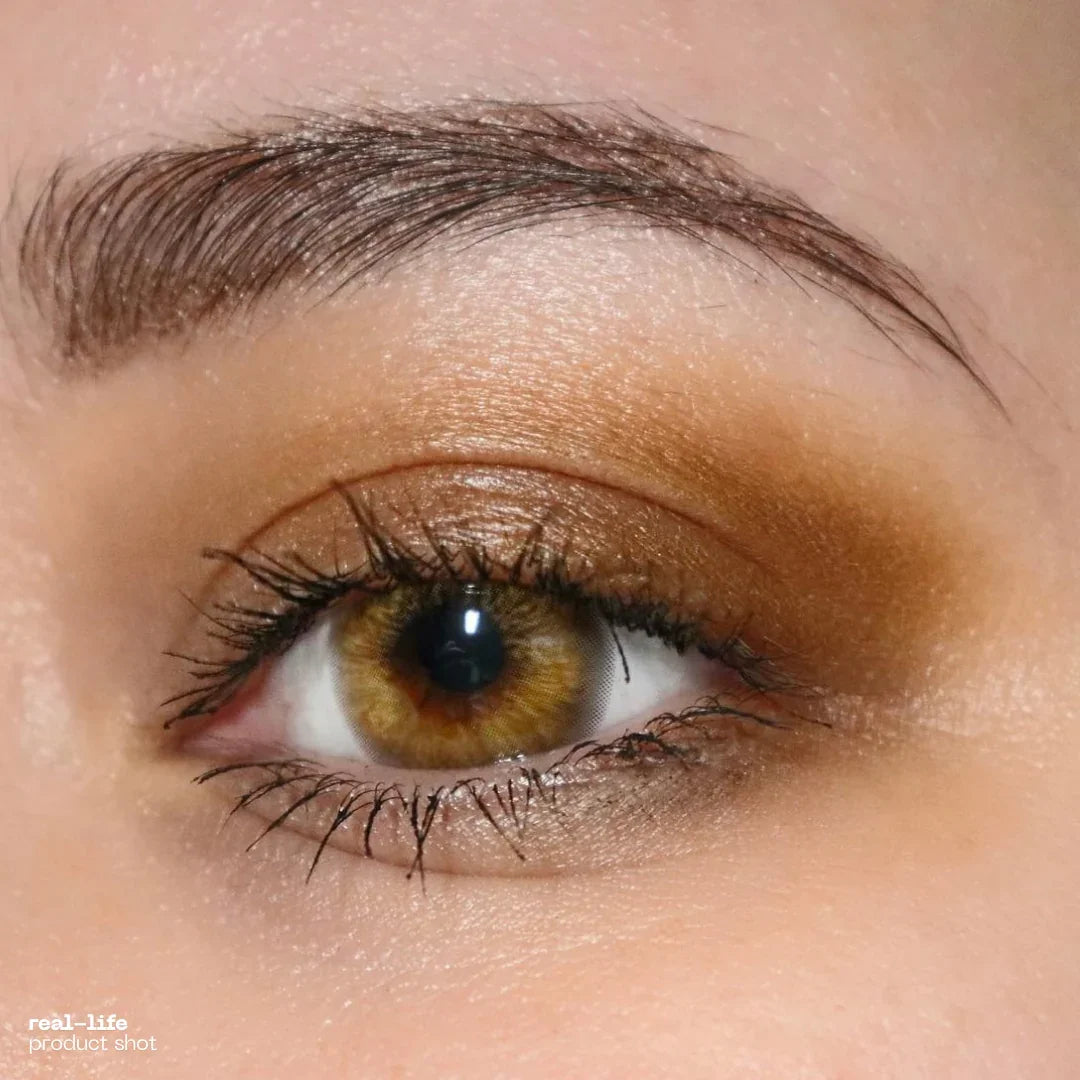
Some lens shades are designed to adapt beautifully across different eye colors. For example, sunkissed olive lenses tend to look especially natural on both dark and light eyes because of their balanced pigment and soft blending. On darker eyes, they add visible color without looking flat, while on lighter eyes, they enhance depth without overpowering the natural iris.
On brown or dark eyes
Lenses need enough pigment to show clearly. Poorly designed or very light lenses may appear dull or barely visible.
Well-designed lenses made for darker eyes use:
-
Better color coverage
-
Layered pigment printing
-
Blended edges for a softer finish
This helps the color show up while still looking realistic.
On lighter eyes
Most colors show more easily, but overly opaque lenses can sometimes look flat if they aren’t blended well.
Natural vs Bold: What’s the Difference in Real Life?
Natural shades
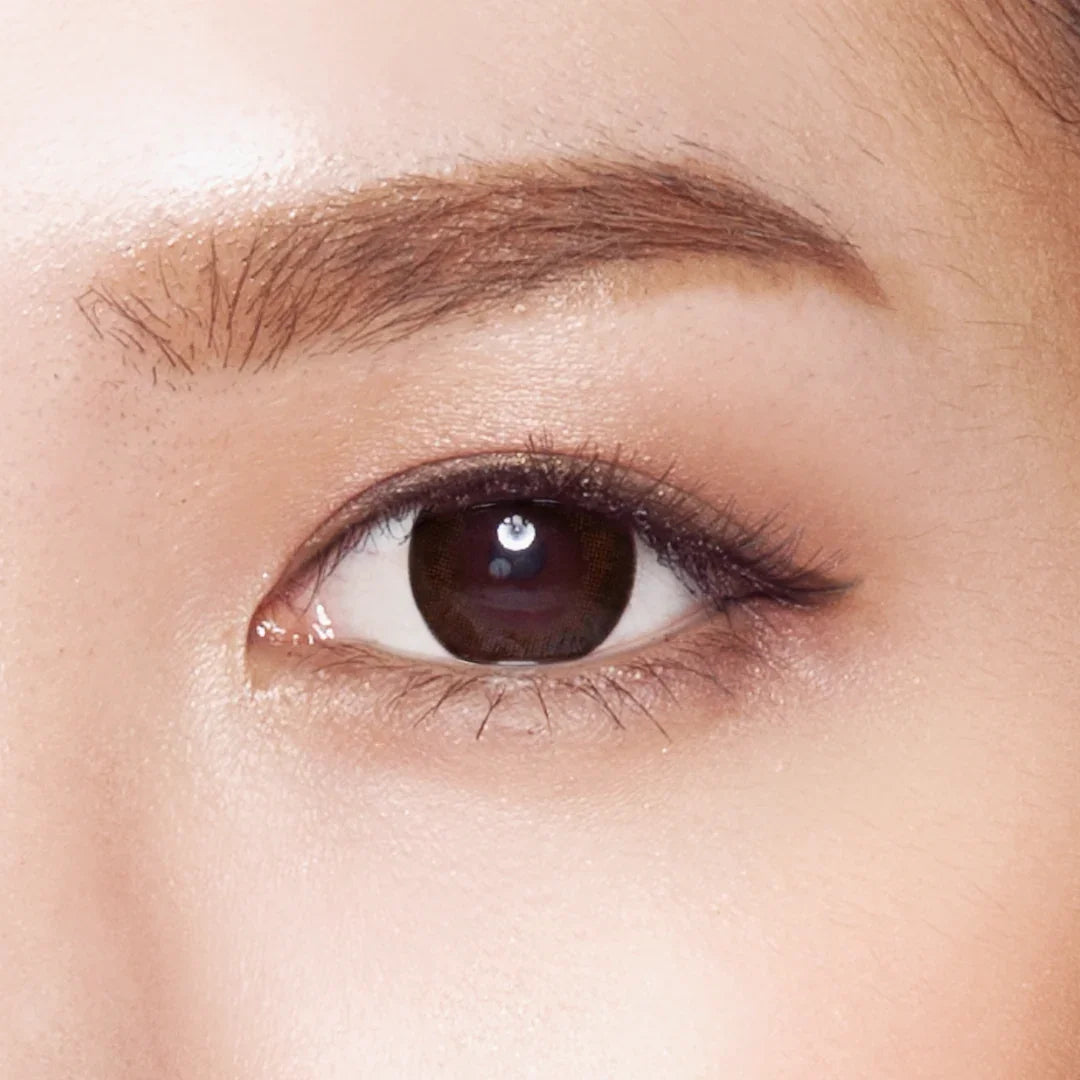
Colors like brown, hazel, olive, and soft gray tend to:
-
Blend seamlessly with your eyes
-
Look subtle in daily life
-
Be less noticeable as “contacts”
Natural everyday brown lenses are a popular choice for work, school, and casual wear because they enhance your eyes without looking obvious.
Bold or dramatic shades
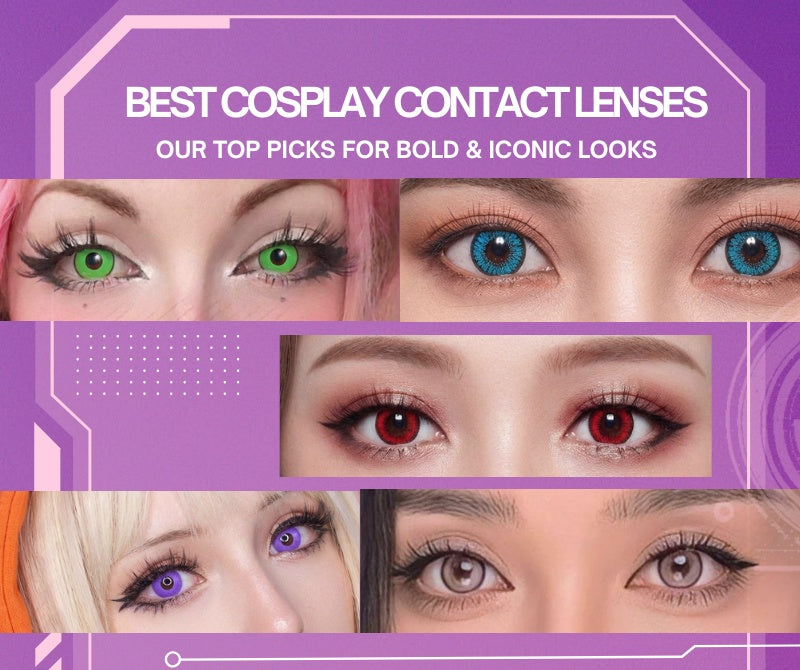
Bright blues, reds, violets, or cosplay lenses are designed to stand out.
They may look less “natural,” but that’s intentional especially for photos, makeup looks, or cosplay.
Neither is better, it depends on the effect you want.
Do Colored Contacts Look Different in Photos vs Real Life?
Yes, lighting makes a big difference.
-
Flash or studio lighting often makes colors appear brighter and more intense
-
Indoor or natural lighting shows how the lenses look day to day
A lens that looks very bold on camera may appear softer in real life, especially in warm or low lighting.
That’s why real-life try-ons and natural-light photos are more reliable when choosing color contact lenses.
Does Lens Size Affect How Natural They Look?
Absolutely.
-
Smaller or medium graphic diameters tend to look more natural
-
Larger diameters create a dolly or anime-style effect
If you want a natural look, avoid overly large lenses and strong limbal rings.
Common Reasons Colored Contacts Look Unnatural

If lenses look fake or uncomfortable in real life, it’s often because:
-
The color is too light for dark eyes
-
The pigment is flat or poorly layered
-
The lens diameter is too large
-
The shade doesn’t suit your style or makeup
-
The lenses are worn too long, which can affect comfort and appearance
Most of these issues come down to selecting a lens that isn’t suited to your eye color, lifestyle, or wear time, rather than a problem with colored contact lenses themselves.
Tips for Getting a Natural Look with Colored Contacts
If natural appearance is your goal:
-
Start with brown, hazel, or olive shades
-
Look for lenses with soft gradients
-
Choose moderate lens sizes
-
Consider breathable materials for daily wear
-
Check real-life photos, not just studio images
Once you’re comfortable, you can explore bolder colors with confidence.
Final Thoughts
Yes, colored contacts can look very natural in real life when the design, color, and fit are right.
They don’t have to look fake or over-the-top unless that’s the look you’re going for.
Whether you want subtle enhancement or a noticeable change, the key is choosing lenses designed to work with your eyes and lifestyle.
The most natural look isn’t about hiding your real eyes, it’s about enhancing what’s already there.
If you're looking for the most natural options, you can explore our guide to the most natural colored contact lenses.
Leave a comment
All comments are moderated before being published.
This site is protected by hCaptcha and the hCaptcha Privacy Policy and Terms of Service apply.